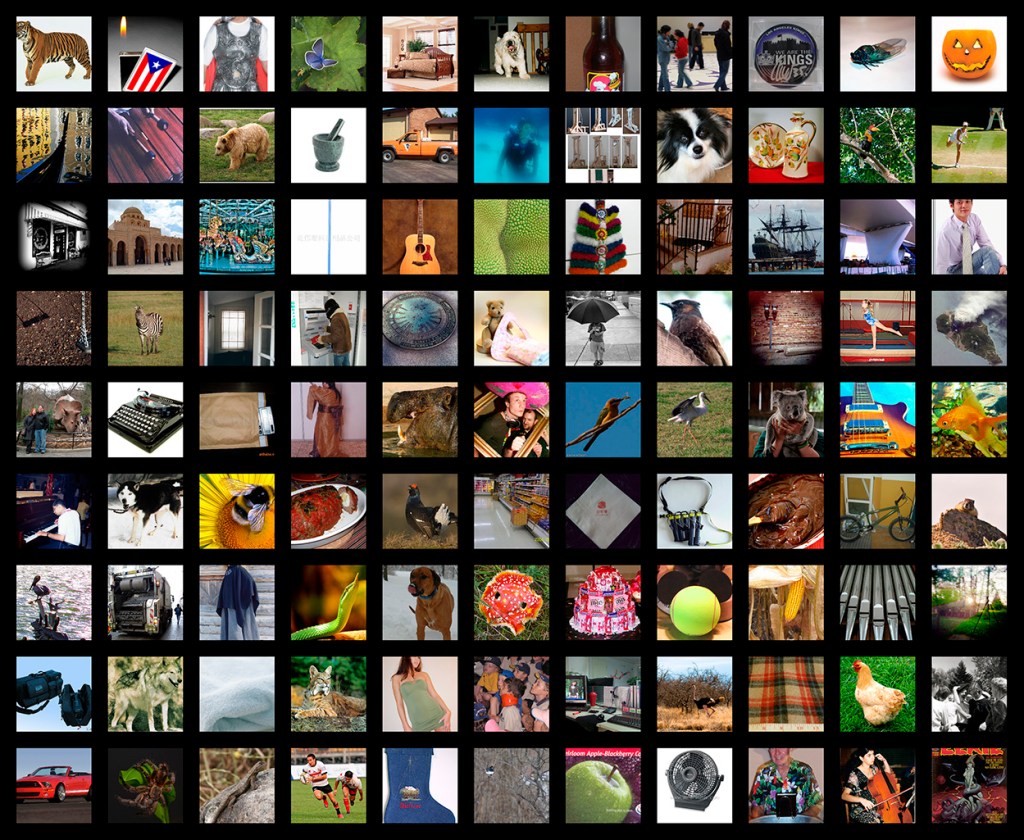
Single channel color video projection, 2017
Trevor Paglen
Introduction
AI is becoming an inevitable part of our everyday lives; there are over 115 million daily users of AI. That is an insane amount of searches going into AI programs every single minute. Despite my personal feelings towards AI and my efforts to not use it, it is quite inescapable. The data above is from an AI overview on Google. Even if you hate AI, there is not really a way to use the internet without coming across it. AI isn’t always just ChatGPT. AI is present in so many aspects of the internet that aren’t as in your face as ChatGPT is, like grammar checkers, website assistants, and simple Google searches. AI has become integrated into our lives, and art is a part of life, so AI is rapidly becoming a part of art. This post is not unbiased whatsoever. I have strong feelings about AI, especially its implications in the art that I love. You may love AI or hate it, but it’s important to understand AI’s implications in our world, so I hope you get something out of reading this!
Human Touch
Something that AI inherently lacks is humanness, and by that I mean the trace of human dedication, passion, and hard work. Human passion and effort are something an algorithm can never perfectly replicate. Art is a direct reflection of our humanity. In physical art you can see the texture created by countless hours of continuous work; you can follow the lines on the canvas, stroke by stroke, imagining the artist; you can look at a pinched piece of clay and imagine the artist’s hands diligently shaping that clay piece. AI art lacks this human quality that makes art so important. Obviously not all art is physical, but the fact that it is produced with passion and emotion makes it human.
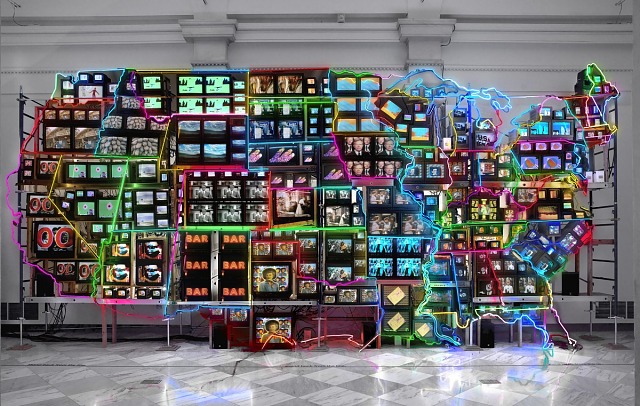
Multimedia Installation, 1995
Nam June Paik (백남준)
AI makes art “Accessible?”
One of the many arguments that people use to defend AI, more specifically the use of AI-generated art, is that it makes art accessible. This argument stems from the idea that to be an artist, you need a long list of required materials that are incredibly expensive and inaccessible, and AI, therefore, by being available to virtually everyone that can enter a prompt, is accessible. This idea makes sense, yes, but simply and plainly, art can be accessible to anyone. You don’t need oil paint to create something with meaning and beauty; you just need creativity and maybe a pencil. I think it is easy to make excuses not to create art; it’s intimidating when you do not feel adequately prepared or knowledgeable, but the truth is that art does not have to be an intimidating and inaccessible endeavor. Art is just expression, so express yourself in whatever medium you can and want to, whether it be on paper or in marble.

Human Bias
Something that people often forget about AI is that its output does not spring from a mystical land of an all-knowing entity. The information AI gives us already exists; it is all created and thought up by humans, so this information is bound to have bias and sometimes be completely untrue. This also affects the “art” that AI outputs; these images are created based on a prompt given, and the millions of images that may fit that prompt generate an image for the consumer. With all of these images that are human-made, human-made ideas and biases, including racism, also fill these images. Studies have shown that AI-generated images tend to favor white people over people of color; AI images often emphasize stereotypes when portraying people of color and different cultures as well. This is a serious issue because these images affect the spaces that they are used in, and AI art is being used in more and more spaces as time goes on.
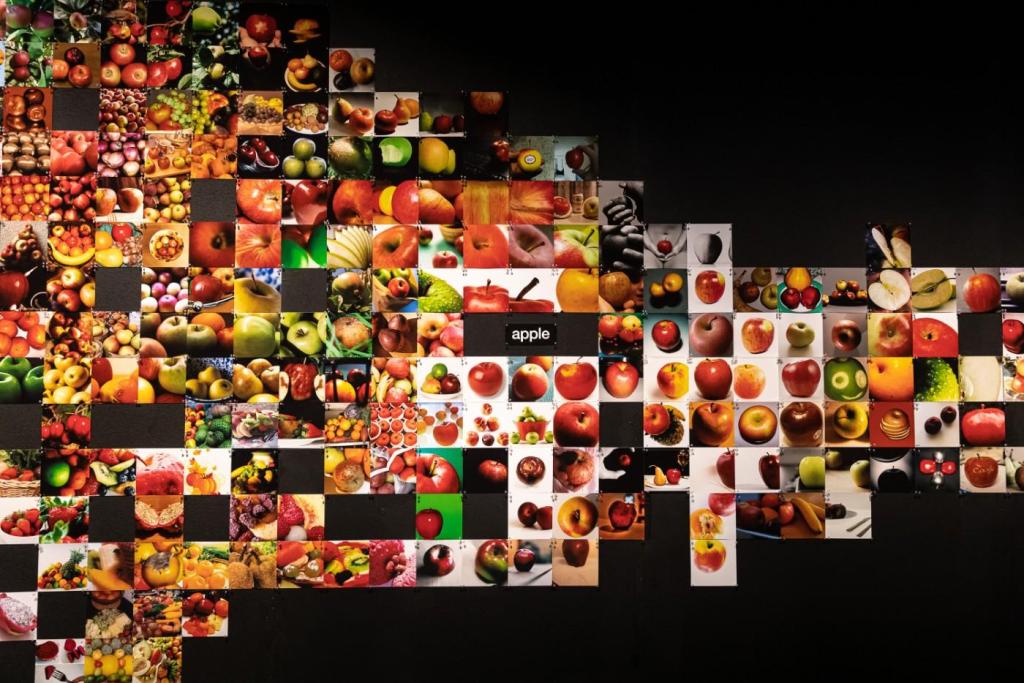
30,000 individually printed photos, 2019
Trevor Paglen
Art about AI, using AI
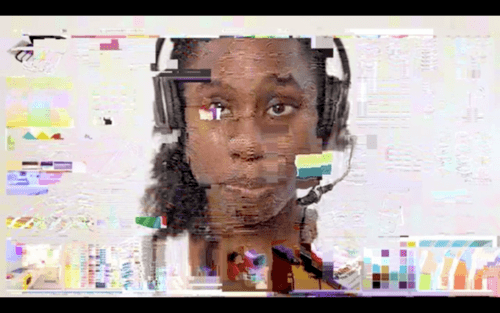
With the introduction of new technologies like AI, artists experiment with and create dialogue surrounding these innovations, sometimes positive and sometimes negative. Commentary surrounding the technological world shifts as the technology around us changes. Many artists are now starting to experiment with the use of AI as well as subjecting AI and its place in the art world in their art. Though my opinion about using AI in art has been made quite clear, I still think it is important to see differences in opinion concerning AI and its use in art. This discourse and discussion is important because technology is ever-changing, and that affects art and how it changes. One artist that I discovered recently that integrates AI into their work is Trevor Paglen. Paglen uses AI to both explore technologies abilities and highlight potential issues that AI can cause.
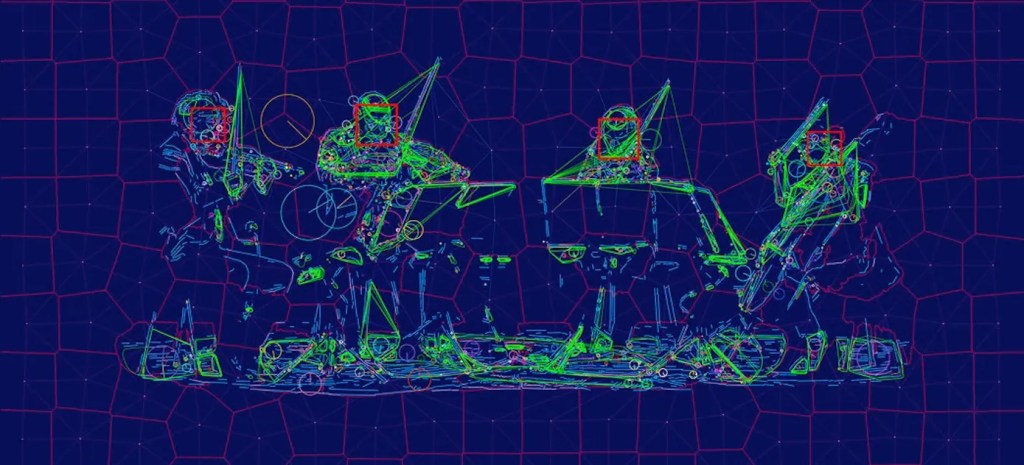
Video still, 2017
Trevor Paglen
Nam June Paik, Art about the digital age
Even though Nam June Paik did not create art about AI or using AI, I think his artwork fits incredibly well in the context of this discussion. In his art, Paik explored the interconnectedness of art and technology; his art was innovative and futuristic. Paik was active for about 50 years, during the expansion of technology and the internet in its infancy. Nam June Paik died in 2006, one year before Apple released their first smartphone and years before the implementation of AI, but his ideas and predictions for the digital world are incredibly interesting to see from a future perspective. His ideas and the execution of them are something truly incredible; his artwork is all over the world, and I was lucky enough to see a piece of his in Seoul this year!
“Already in the early ’70s, Paik proposed the building of a new ‘Electronic SuperHighway,’ a network which would connect people all over the world through satellites, cables, and fiber optics,” said Stedelijk curator Leontine Coelewij, outlining Paik’s prophetic embrace of technology. “He said that conferences between people in different locations via colour video telephones will become commercially feasible. So he predicted the internet, Skype, FaceTime, and Zoom!”
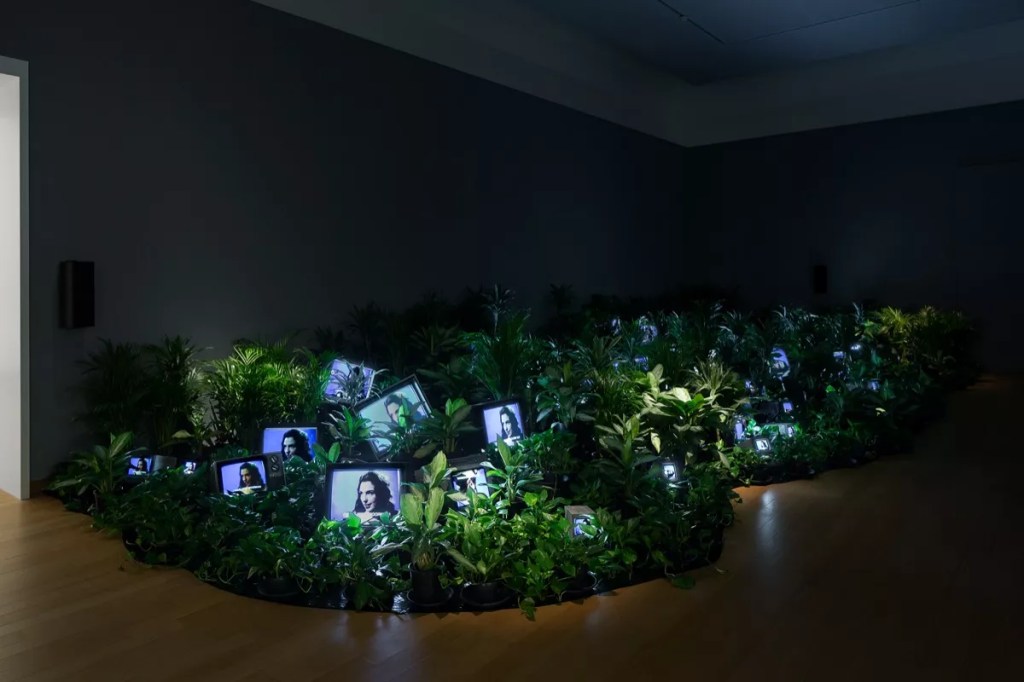
Multimedia installation, 1974-1977,
Nam June Paik (백남준)
Conclusion
If you were reading this for an objective view of how AI has affected the art world, then I wouldn’t say this is exactly what you are looking for… I am quite passionate about the protection of art and the people that create the art that shapes our world. The influence of AI cannot be ignored; obviously, it is being utilized in very large ways and will increasingly be utilized; it is changing how the world functions and how we interact with the world. My main point in this post is that we should recognize this change. The world becomes a little better each time we learn about and take responsibility for the role that we play in this ever-changing society. I hope you enjoyed reading this and learned something new! 😉
Links
“Sight Machine” Explanation
https://www.wired.com/video/watch/the-unsettling-performance-that-showed-the-world-through-ai-s-eyes
Nam June Paik info
https://www.artsy.net/article/artsy-editorial-nam-june-paik-predicted-future-melding-art-technology
An essay I wrote covering this topic
 iwtba
iwtba 
Leave a comment