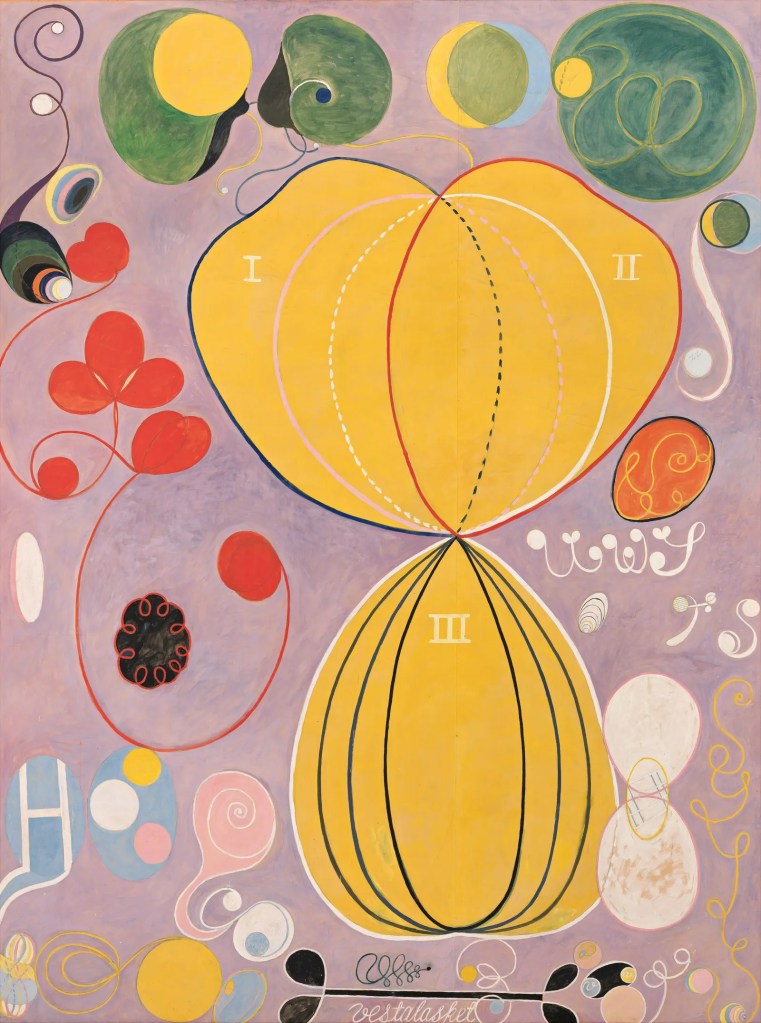
From the series “The Ten Biggest” 1907
Hilma af Klint
Art as Introduction
Why do I care about art so much? Why do marks on a paper and pixels on a screen hold such weight for me and so many others? Art is a language that is unspoken and all-inclusive. Anyone can speak the language of art. You don’t have to be a critic or a scholar to find meaning and beauty within a piece of art, and that act in itself is art. We have the ability to convey any emotion, any idea, in all ways from pure abstraction to complete realism. We have the ability to create incredible and timeless artifacts with our own two hands. (or maybe your feet)

Nam June Paik
(백남준)
Art as History
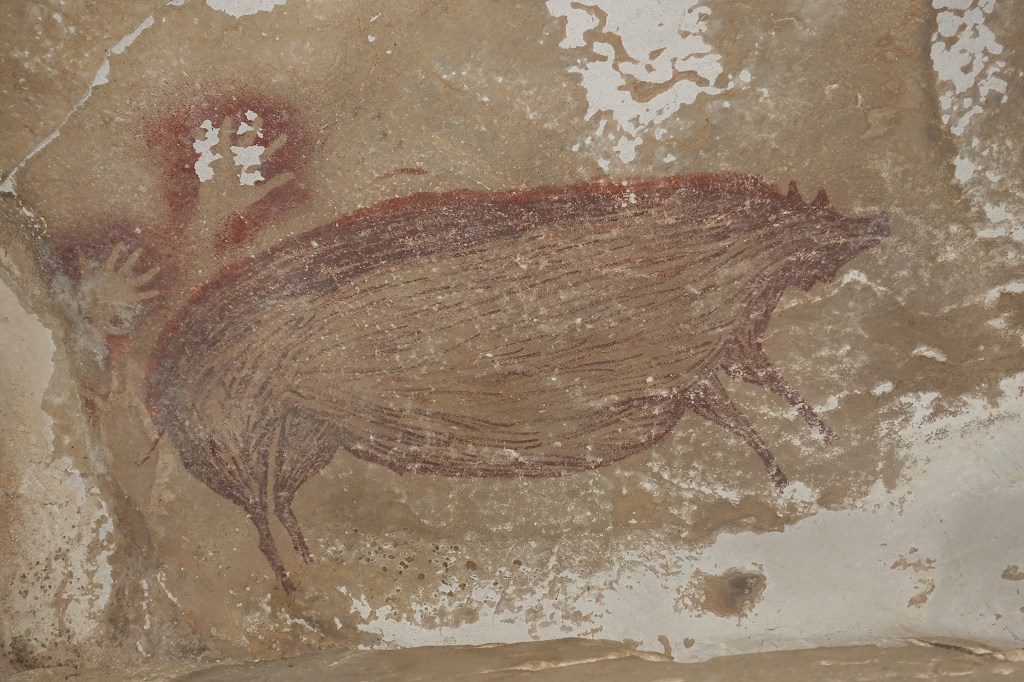
Artistic expression has existed for the entirety of human existence. The first evidence of artistic expression in human history dates back to the Upper Paleolithic Era, about 45,000 years ago. This art was mainly in the form of cave paintings with pigments from ochre, shell, and other natural materials. There is even evidence of earlier forms of art dating back to the Middle Paleolithic Era, about 51,000 years ago. This ancient art being etchings in bone created by Neanderthals In what is now modern-day Germany. To me, this history is evidence that humans were created to create; it’s in our DNA.
Art as Protest
Art holds significant political, cultural, personal, and emotional meaning; it can be so much more than just art. Art can be protest, solidarity, rebellion, or acceptance. When people’s voices are silenced, art acts as a megaphone. There is a reason that oppressive regimes remove and repress the expression of their people and the art they create. Art is the people’s weapon. It can be dangerous for power-hungry entities; if they cannot control the art that is created, they cannot control the people. There is true power in artistic expression; art taps into the deepest emotions of humanity, connecting people and moving them. This is amplified in times of political unrest and social injustice. The artist below, Shirin Neshat, was exiled from Iran for making political art about her people, critiquing her government, and using her voice to state her opinions. Despite this, she continued to create art in the United States about these issues. Humans will always find a way to express themselves.
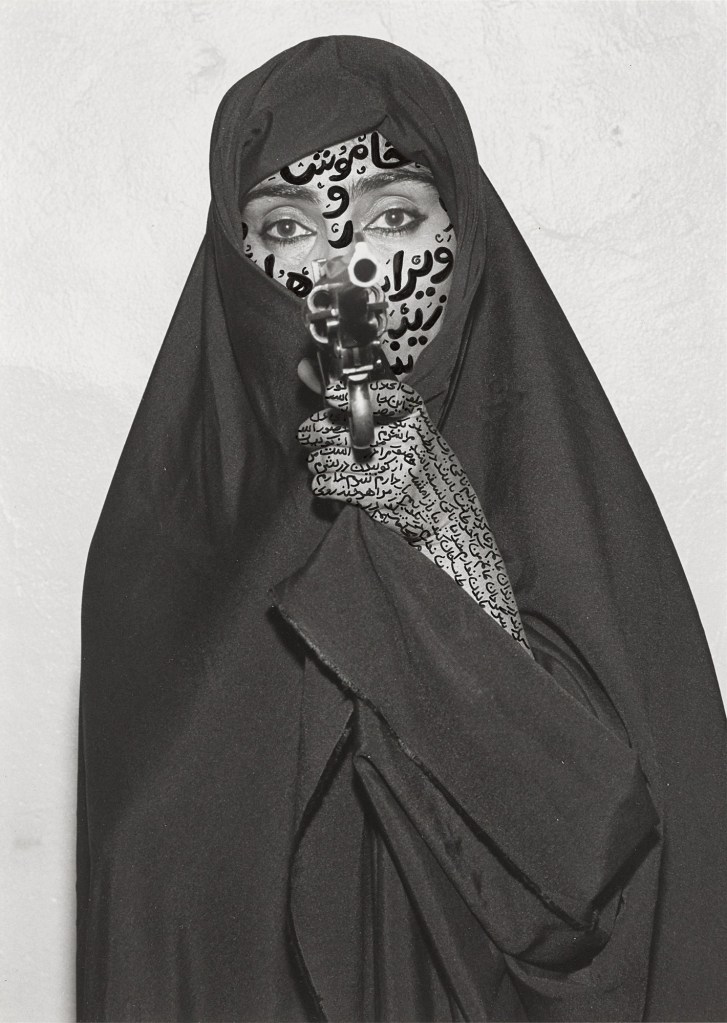
Women of Allah Series, 1994
Shirin Neshat
(شیرین نشاط)
Art as Meditation
If I seem obnoxiously passionate about this, it’s because I am. Art has become something so utterly important to me in my life for as long as I can remember. I have always been captivated by creativity; it gives me purpose and happiness. Despite the terrible things that happen in the world, the political leaders that are tearing the world apart figuratively and literally, and the nihilistic tendencies that plague our thoughts, there is so much beauty that surrounds us, and art brings this beauty to light. Soaking this beauty up is so important for a fulfilling life; it is such a simple thing to do, but in my opinion, it is one of the most important things to do if you want to live a fulfilling life. “Stop and smell the roses” is something people say for a reason; sometimes we need to just look at something beautiful and ponder it. As much as art is for the senses— to see, touch, and interact with— art is also for the innermost parts of us; art is a meditation on the world that surrounds us, or rather the world that we want to surround us. Art can be both an escape and a confrontation; it is truly boundless.
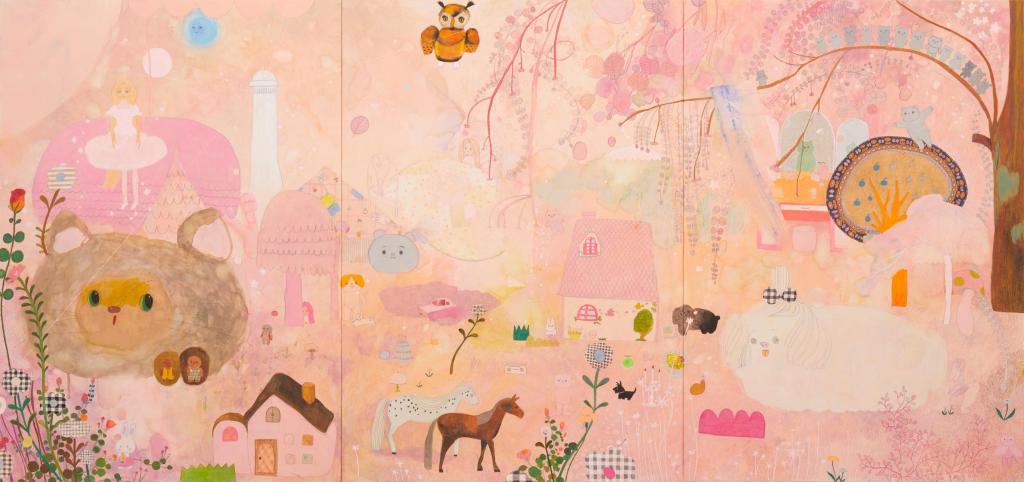
Art as Medication
All this being said, why should you care? Not every person in the world is hyper-focused and solely passionate about art, so why is it important to keep art in your life even if it is not the center of it? Well, consuming art is good for your brain! Both creating and intaking art can be incredibly beneficial for your health, improving mood, promoting neuroplasticity, and reducing stress. So if you really don’t care that much about art and creating it for fun, just do it for your health; you’ll thank me later.
“Art can create new neuropathways in the brain because this happens through sensorial experience. With high visual stimulation, if we see a lot of art or make a lot of art, we are growing — dramatically” (Magsamen, 2023)
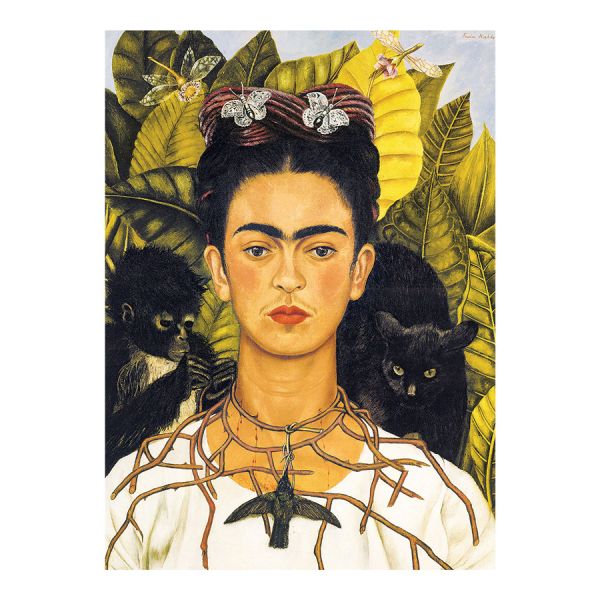
1940
Frida Kahlo
Art as Accesibility
Often when we think about art, we picture the Louvre and other highbrow settings where only the best of the best are allowed, but this way of thinking is so limiting and simply untrue. Art can be created with dirt or gold leaf and have equal importance and meaning. The medium and means by which an artistic idea is shared often reflect the roots of the artist, as well as their intended audience. German artist Käthe Kollwitz is a shining example of making art accessible. Kollwitz’s medium of choice was woodcut printing. This form of art can be produced countless times and is inexpensive, meaning average people could get their hands on this art. This accessibility was her main goal with woodblock art. She created the “War” series as a reflection of the First World War and the devastation that it caused; her audience was fellow German citizens and victims.
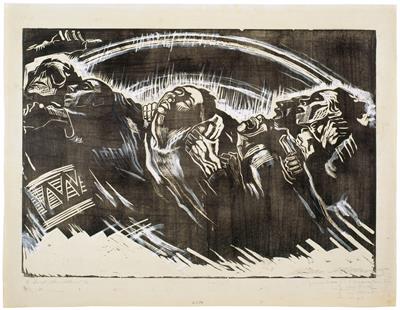
From the series “War”
1921-1922
Käthe Kollwitz
Art as Conclusion
Overall, this post is an introduction for you to think about the importance of art in our world and how multifaceted it can be. I hope that as you read this post as well as the ones to come, you learn a little bit more about art, me, or yourself! If you made it all the way, HOORAY!!! Thank you for reading this. 🙂
 iwtba
iwtba 
Leave a comment